

Why Muscle and Strength Are Emerging Vital Signs



What if we have been paying too much attention to body weight and not enough attention to muscle?
For decades, body weight has been one of the most widely used indicators of health. Yet, a growing body of research suggests that muscle mass and strength may provide deeper insight into long-term health, physical function, resilience, and healthy aging. In fact, researchers are increasingly finding that strength predicts important health outcomes that body weight alone cannot explain.1
Why weight was only part of the answer
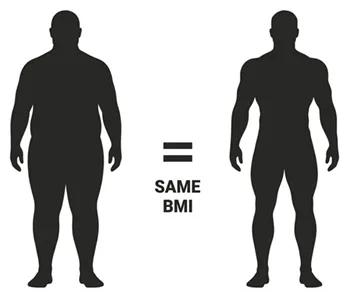
For more than two decades, studies of people with heart failure found that individuals classified as overweight or obese by body mass index (BMI) often survived longer than those with a "normal" BMI.2 This observation became known as the obesity paradox because it appeared to contradict decades of evidence linking excess body fat to poor health outcomes. More recent studies have confirmed the pattern but have also helped explain why it occurs.3-5
Looking Beyond BMI
BMI is a ratio of height and weight, so it cannot distinguish fat from muscle. Two people can have the same BMI even though their body composition differs dramatically. One may carry more muscle and less body fat, while the other carries less muscle and more fat.
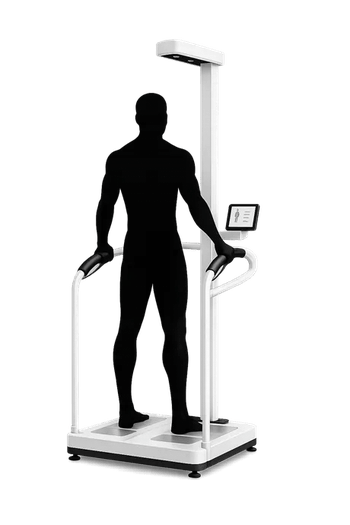
Modern body composition tools, including bioelectrical impedance analysis (BIA), allow researchers to look beyond body weight. When they do, a different story emerges. Individuals with greater muscle mass generally experience better outcomes than those with lower muscle mass.4
Muscle explains what BMI cannot
As researchers began accounting for body composition, the obesity paradox became less mysterious. Muscle mass emerged as an important factor influencing health outcomes and survival.5 Individuals with higher BMIs often carried greater muscle reserves, which helped them better tolerate illness, maintain physical function, and recover more effectively.
Muscle helps explain why BMI can be misleading. Strength may be even more informative because it reflects not only how much muscle a person has, but how well that muscle performs. Research involving nearly two million adults found that greater muscular strength was associated with a lower risk of death, suggesting that muscle performance may be just as important as how much of it a person has.6
What this means for fitness professionals
While weight loss may always have a place in health and fitness conversations, body weight alone does not indicate whether a person is becoming stronger, more capable or more resilient. Together, muscle mass, strength and physical function give a fuller view of progress.
This creates an opportunity for facilities to provide a more complete picture of progress. BIA assessments and strength testing can help members understand changes that may never appear on a scale. A member who gains muscle, improves strength and becomes more physically capable may experience meaningful health improvements even if body weight changes very little.
As healthcare and research continue to look beyond body weight, fitness facilities are increasingly positioned to do the same. By combining BIA assessments with functional strength testing, facilities can help members better understand their progress and focus on outcomes that extend beyond weight loss alone. For many individuals, building muscle, improving strength, and maintaining physical function may be among the most meaningful investments they can make in their long-term health.

Karlie Intlekofer, PhD, CNC, CPT
References
- Vaishya et al. Hand grip strength as a proposed new vital sign of health: A narrative review of evidences. J Health Popul Nutr 2024; 43(1): 7.
- Curtis et al. The obesity paradox: Body mass index and outcomes in patients with heart failure. Arch Intern Med 2005; 165(1): 55-61.
- Jones et al. Body mass index and survival in people with heart failure. Heart 2023; 109(20): 1542-9.
- Mendonça et al. Body composition and survival in patients with heart failure: A systematic review and meta-analysis. JACC Heart Fail 2025; 13(6): 943-54.
- Marcks et al. Re-appraisal of the obesity paradox in heart failure: A meta-analysis of individual data. Clin Res Cardiol 2021; 110: 1280-91.
- Garcia-Hermoso et al. Muscular strength as a predictor of all-cause mortality in an apparently healthy population: A systematic review and meta-analysis of data from approximately 2 million men and women. Arch Phys Med Rehabil 2018; 99(10): 2100-13.
